Struggling in a healthcare crisis? Click here now →





The Family Caregiver's Survival Guide to Holiday & Winter Medical Emergencies
The Family Caregiver's Survival Guide to Holiday & Winter Medical Emergencies
If you're caring for a loved one (especially an aging parent) December and January can feel like walking through a minefield. Routines that held steady all year suddenly shift. Weather turns unpredictable. Travel disrupts medications and sleep schedules. Family dynamics add layers of stress to caregivers who are already stretched impossibly thin.
And hospitals? They're overwhelmed, understaffed, and operating under conditions that make even routine care more challenging during the winter months.
This guide is designed to give you practical steps, emotional support, and clear guidance so you can face the season with confidence rather than fear. You didn't sign up to be a medical expert, but you did step into a role that requires you to make critical decisions quickly. That takes courage, and it deserves recognition.

Why Winter and Holiday Medical Emergencies Spike
There are predictable patterns that make December through January the busiest months for emergency rooms, and understanding these patterns helps you prepare rather than panic.
Falls increase dramatically during winter. Ice-covered walkways are the obvious culprit, but there are subtler risks too. Homes become crowded with furniture rearranged for gatherings. Lighting changes when decorations go up. Your loved one might be staying in an unfamiliar environment where they don't know which step creaks or where the bathroom is in the dark. All of this creates an opportunity for injury.
Medication mix-ups happen more frequently during travel and celebrations. Pill organizers get left behind. Time zones confuse schedules. Family members help with medications, but don't know the usual routine. A dose gets skipped or doubled, and suddenly symptoms appear that weren't there before.
Respiratory illnesses spread quickly in tight indoor spaces where families gather. Someone brings a cold to dinner. Within days, it's moved through three generations. For older adults or people with chronic conditions, what starts as a minor illness can escalate quickly.
Dehydration becomes a quiet problem when routines get disrupted. Your loved one might not drink as much water when they're out of their typical environment. They might limit fluids because they're anxious about finding unfamiliar bathrooms. They might simply forget because everything feels different.
Family members who haven't seen your loved one in months suddenly notice changes you've been managing gradually. A slower gait. Increased confusion. Weight loss. These observations aren't wrong, but they can create sudden pressure to "do something" when you've been doing everything all along.
And finally, delayed medical care from the rest of the year catches up. People put off appointments and procedures because they're too busy, too tired, or too worried about disrupting holiday plans. By January, symptoms that were manageable in October have become urgent.
None of these situations reflects failure on your part. They reflect reality. And reality is something caregivers constantly navigate, often without warning and always without enough support.
The Early Warning Signs You Should Never Ignore
Certain symptoms require immediate attention, no matter what else is happening. These aren't things you monitor or wait out. These are things you act on.
Sudden difficulty breathing means something is wrong right now. It might be pneumonia, a heart issue, or something else entirely, but it needs to be evaluated immediately. This isn't the same as shortness of breath from walking up stairs. This is labored breathing that comes on quickly or gets worse by the minute.
Unexplained confusion in someone who was lucid hours ago is a medical emergency. Confusion can signal infection, medication problems, stroke, or metabolic issues. If your loved one suddenly doesn't know where they are, can't remember the day, or alarmingly seems unlike themselves, don't wait.
Chest discomfort—even if it's vague, even if they insist it's nothing—deserves attention. Not everyone experiences classic heart attack symptoms. Sometimes it presents as pressure, tightness, or pain that radiates to the jaw or arm. Sometimes it feels like indigestion. When in doubt, get it checked.

Severe pain that comes on suddenly and has no clear explanation needs evaluation. This could
be anything from a kidney stone to a bowel obstruction to something more serious. Pain that makes someone unable to function or that keeps intensifying is never something to ignore.
A fall that results in a head injury is always serious in older adults. Even if they seem fine afterward, head injuries can develop slowly. Bleeding inside the skull doesn't always cause immediate symptoms, and by the time it does, precious time has been lost.
Inability to stay awake or extreme lethargy that's out of character signals that something is very wrong. This could be related to medications, an infection, blood sugar, or dozens of other causes - but all require medical attention.
Changes in movement or speech—a drooping face, slurred words, weakness on one side of the body—are signs of stroke, and every minute matters. Don't wait to see if it gets better. Stroke treatment is time-sensitive.
If something feels wrong, trust that instinct.
You know your loved one better than anyone else. You know what's normal for them and what isn't. Advocacy starts with intuition, and your gut feeling is information worth acting on.
Your Winter Medical Emergency Checklist
Being prepared doesn't guarantee that emergencies won't happen. But it does make them easier to handle when they do. And when you're already managing so much, anything that reduces chaos in a crisis is worth the effort.
Start by creating a medical go-bag that stays ready and accessible. This isn't something you pack when an emergency happens; this is something you keep prepared so that when the moment comes, you can grab it and go without thinking.
Your go-bag should include:
An updated medication list with dosages and frequencies.
Names and contact information for all providers, including specialists.
An allergy list, even if you think everyone knows the allergies by heart. If
Advance directives, keep copies in the bag.
Insurance cards, a list of current symptoms and recent changes, and any relevant medical history should all be included.
Practical items: a warm jacket or blanket because emergency rooms are always cold, and a phone charger so you can stay connected during long waits.
Keep medications organized, especially during trips or disruptions to routine. A pill organizer isn't just helpful—it's essential. Even for a weekend visit, fill out the organizer in advance. If routines shift because of travel or celebrations, set alarms or reminders. It's easy to lose track of timing when everything feels different.
Prepare the home environment before winter really sets in. Walk through your loved one's space and check for fall risks. Is the lighting adequate, especially at night? Are there rugs that could slip or cords that could trip someone? Does the bathroom have grab bars and non-slip mats? Are outdoor surfaces clear of ice and snow, or is there a safer route to avoid them entirely? These aren't one-time fixes. They are things to monitor throughout the season.
Coordinate clearly with family members about who is responsible for what. This is where holiday caregiving often breaks down. Everyone assumes someone else is handling medications. No one knows who's watching for symptoms. Decisions need to be made, but no one's sure who has the authority to make them. Sit down before the chaos starts and assign roles. Who monitors medications and when? Who handles transportation if something happens? Who makes medical decisions? Lack of clarity creates preventable mistakes, and avoidable mistakes are the last thing anyone needs during an emergency.
ER vs Urgent Care: How to Decide
When something goes wrong, one of the first decisions you face is where to go. Should you head to the emergency room or try urgent care first? The answer depends on the severity and type of symptoms.
Urgent care may be appropriate for situations that need attention but aren't life-threatening. Minor sprains that aren't causing severe pain or obvious deformity can often be handled there. Mild breathing issues, like a cough that's worsened but isn't causing distress, might be suitable for urgent care. Ear pain, minor cuts that might need stitches but aren't bleeding heavily, or flu-like symptoms without severe distress are all reasonable reasons to choose urgent care first.

But the emergency room is more appropriate for anything that could be life-threatening or rapidly worsening.
Stroke-like symptoms (sudden weakness, speech changes, facial drooping) require emergency care without delay.
Severe breathing difficulty, where someone is struggling to breathe or can't complete sentences, requires the ER.
Chest discomfort, especially in older adults or people with heart conditions, should always be evaluated in an emergency setting.
Confusion or sudden behavior changes that come on quickly are concerning enough to warrant emergency evaluation.
Head injuries in older adults, even seemingly minor ones, need immediate assessment because complications can develop hours later. Falls in older adults often require emergency evaluation, particularly if there's pain, limited mobility, or concern about fractures.
Any rapidly worsening condition - something that's getting worse by the hour or even by the minute- belongs in the ER.
When in doubt, choose the emergency room. It's better to be overly cautious and have everything check out fine than to delay care for something serious. No one will fault you for erring on the side of safety when it comes to your loved one's health.
How a Nurse Advocate Supports You During Winter Emergencies
The caregiver experience is emotionally heavy under normal circumstances. During a medical emergency, it can feel crushing. You're scared. You're trying to make decisions quickly. You're managing your own emotions while staying strong for your loved one. You're navigating a system that doesn't always communicate clearly or move at the pace you need.
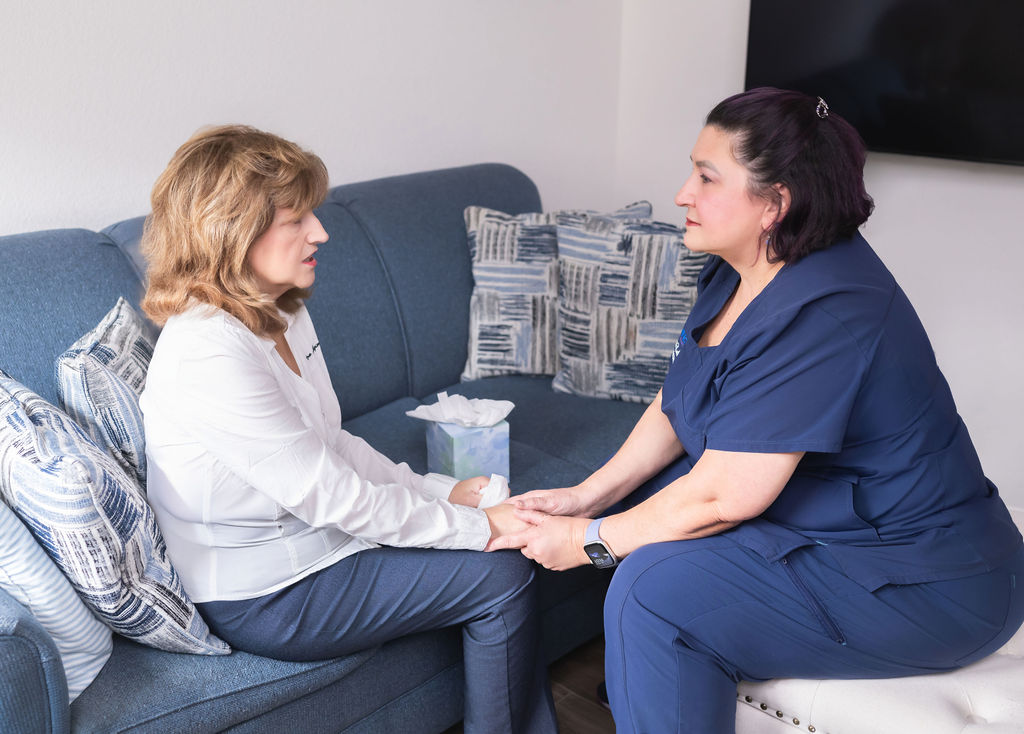
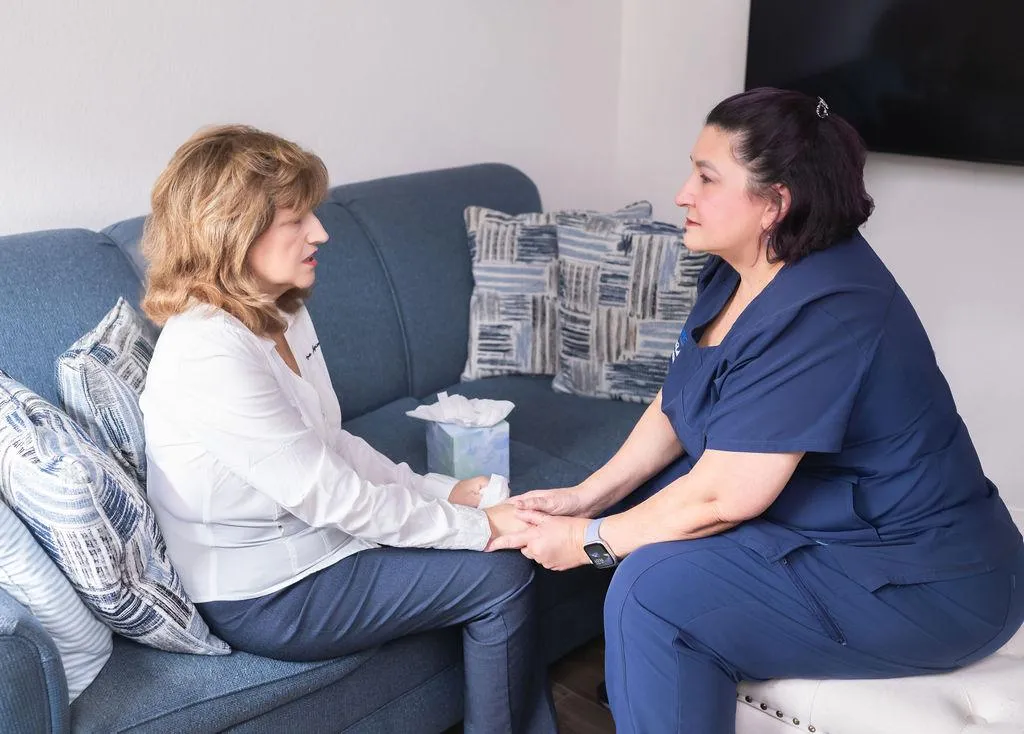
This is where a nurse advocate becomes invaluable. A nurse advocate helps organize your medical information so that when you arrive at the ER or urgent care, everything is clear and accessible. They support decision-making by helping you understand your options and what each choice means. They help communicate clearly during emergencies, translating between medical language and plain English so nothing gets lost.
A nurse advocate ensures that symptoms and concerns are not overlooked. They know which questions to ask and which details matter. They follow through after discharge, making sure you understand care instructions, know when to follow up, and have a clear plan for what happens next. Most importantly, they help reduce stress and uncertainty during moments when you need support the most.
You don't have to hold all the responsibility alone. You were never meant to.
Final Thoughts
The holidays often put caregivers in impossible situations. You're trying to create joy and maintain traditions while managing complex medical needs. You're fielding questions from family members who don't understand the daily reality. You're keeping everyone safe while navigating illnesses, mobility challenges, and emotional exhaustion, often without guidance, without backup, and without acknowledgment of how hard this is.
But you don't have to do it alone. You don't have to be an expert on everything. You don't have to carry the weight of every decision without support.
If you need help preparing for potential emergencies, responding when something goes wrong, or recovering after a crisis, SunNav Healthcare Advocates can walk beside you through it all. You deserve support. Your loved one deserves safety. And you deserve peace of mind, especially during a season that asks so much of you already.
Click here to get started with your complimentary 30-minute consulation

Disclaimer: We do not provide legal or financial advice. For such matters, please consult with a licensed professional. Referrals are available upon request but do not constitute an endorsement.
Note: We have been approved to bill Traditional Medicare as of 6/16/2025