Struggling in a healthcare crisis? Click here now →







What to Look for When Hiring a Patient Advocate
Most people start searching for a patient advocate at the worst possible moment — in the middle of a crisis, after weeks of fighting a system that was not built to make things easy. You are already exhausted. You do not have time to vet someone poorly. And the stakes are too high to make the wrong call.
The field is not uniformly regulated. Anyone can call themselves a patient advocate. That means the work of finding someone qualified falls entirely to you, which is exactly the kind of thing a good patient advocate is supposed to help you avoid.
Here is what actually matters when you are evaluating someone for this role.
Start with credentials, but do not stop there
Board certification through the Patient Advocate Certification Board is the most relevant professional credential in this field. It requires demonstrated knowledge of healthcare systems, patient rights, medical ethics, and the advocacy process. It is not the only indicator of a qualified advocate, but its absence is worth noting.
An RN background adds a specific and practical layer that certification alone does not. A nurse who has crossed into advocacy brings clinical fluency: the ability to read a medical record and understand what it actually says, communicate with physicians in the language of clinical care, recognize when a diagnosis does not align with a treatment plan, and identify when something is wrong before it becomes a larger problem. That clinical eye changes the quality of the work in ways that are hard to replicate with training alone.
Credentials are the starting point. The next step is asking the harder questions.

Ask three direct questions before you agree to anything
A qualified advocate will answer all three without hesitation. Vague answers to direct questions are information; pay attention to them.
What is your experience with situations like mine?
This is not a question about years in the field. It is a question about specific familiarity with your type of situation. An advocate who has spent years on insurance appeals may not be the right fit for a complex discharge planning situation, and vice versa. Relevant experience matters more than general experience.
What does your process look like from the first conversation through resolution?
You are not looking for a script. You are looking for evidence that they have a process and that they approach situations with structure, not improvisation. What happens at intake? How do they communicate with you? How do they communicate with the clinical team? What does it look like when a case is resolved?
What do you charge, and what does that cover?
This should be a clear and direct answer. Know before you engage what you are paying for, how billing works, and what is included and what is not.
Watch for the red flags
Volume over attention. If the person you are hiring is going to hand your situation off to someone else, you need to know that upfront. High-volume advocacy services can provide real value in some contexts, but if your situation is complex, you need direct access to the person making decisions about your care — not a case manager working from notes.
Templates over specifics. Good advocacy is specific. Every recommendation should be tailored to your situation, records, insurance plan, and clinical history. If the support you are receiving feels generic — a referral to a resource list, general advice about how to talk to your doctor — that is not professional advocacy. That is information you could have found yourself.
No clinical background on complex cases. If your situation involves reviewing medical records, engaging with physicians about a treatment plan, or navigating a clinically complex appeal, the person representing you needs to be able to operate in that space. Someone who cannot read a clinical note cannot catch what it gets wrong.
Know what you are actually paying for
Professional advocacy is not a last resort reserved for catastrophic situations. It is a different category of support — one that becomes appropriate when the situation has complexity, speed, or stakes that exceed what tools and preparation alone can address.
The situations that most consistently call for it:
insurance disputes that have progressed through internal appeal and been denied.
Hospital discharge plans that do not reflect the patient's actual condition or living situation.
Diagnostic situations where multiple specialists are not communicating and no one has the complete picture.
Medicare, Medicaid, and long-term care decisions where the rules are genuinely complex.
Billing disputes involving significant dollar amounts or incorrect coding.
And situations where the patient or caregiver knows something is wrong but cannot get the clinical team to take it seriously.
In all of these situations, a qualified advocate with clinical training and no competing institutional interests changes the outcome.
That accountability, to the patient and only to the patient, is what makes professional advocacy different from every other resource in the healthcare system. No hospital, no insurance company, no facility: the only measure of success is whether the patient's situation improved.
The question that matters most
Before you hire anyone, ask yourself:
Does this person have the clinical knowledge to understand my situation, the system experience to navigate it, and no conflicting interest in the outcome?
If the answer to all three is yes, you have found someone worth working with.
Why SunNav Healthcare Advocates
SunNav was built to answer every question on this list and to answer it well.

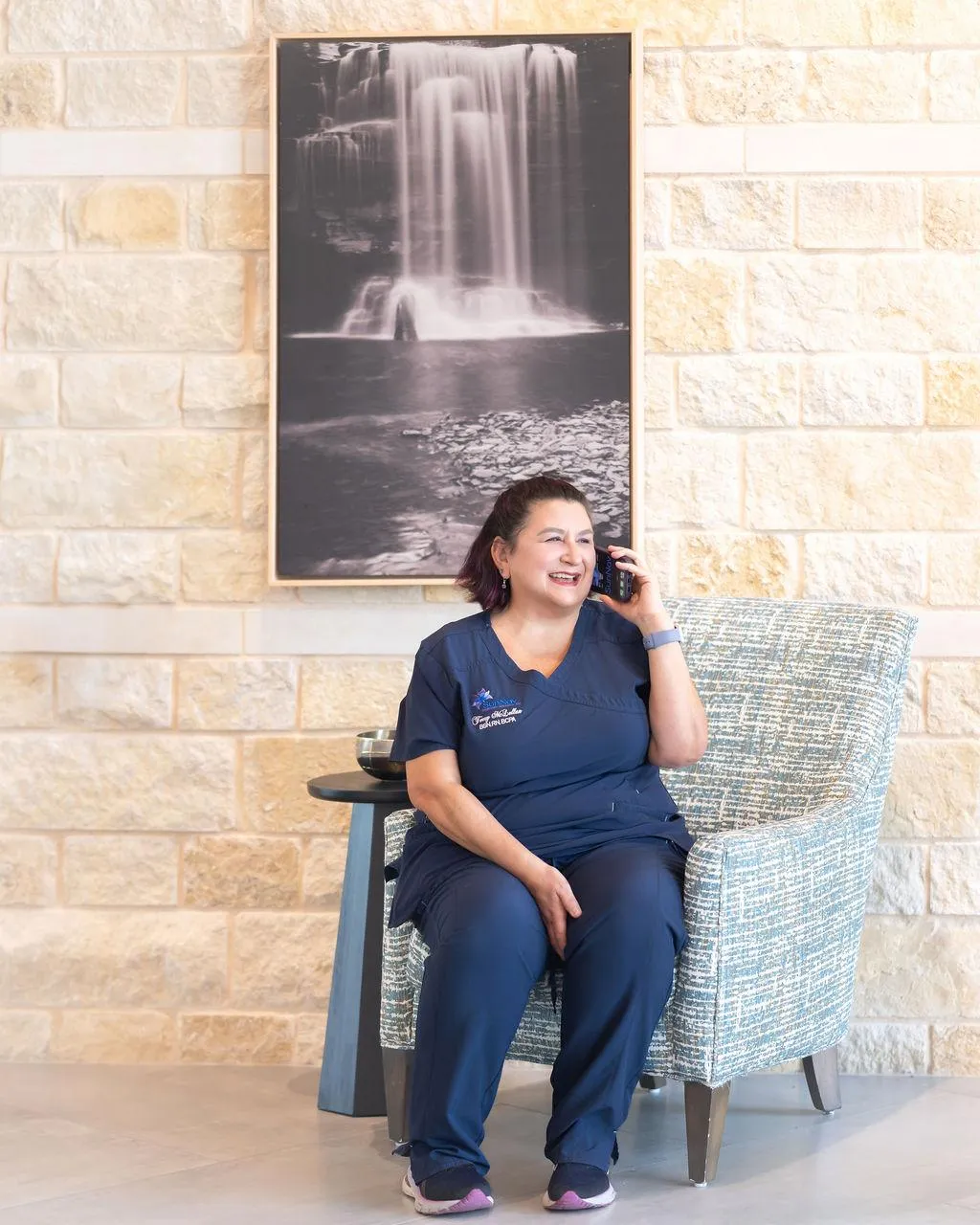
Terry McLellan, RN, BCPA, is the founder of SunNav Healthcare Advocates and brings over 25 years of hands-on healthcare experience to each client she serves. Her clinical background spans virtually every corner of the system: long-term care and nursing homes, inpatient medical-surgical floors, orthopedics, pediatric inpatient and home health, neuro-oncology, psychiatric nursing, quality and performance improvement, nursing staff recruitment, and co-instruction of a CNA program. From the first days of life to end-of-life care, and nearly everything in between, she has worked it, not just studied it.
That depth of experience is not incidental. It is the reason she can walk into a room with a neurologist, a hospitalist, or a discharge planner and operate at the clinical level of the conversation, not across it. It is why she can read a chart and understand not just what it says but what it is missing. It is why she recognizes when a treatment plan does not align with a diagnosis, when a discharge is premature, and when a denial is worth fighting versus when the energy is better directed elsewhere.
SunNav is a small, highly trained team. That is by design. Every client gets direct access to their advocate, not a case manager pulling notes from a file, not a junior associate working from a script. The work is specific to the situation in front of them because every situation is different, and generic support is not support.
Terry holds board certification from the Patient Advocate Certification Board, in addition to her nursing background. That combination — clinical training from within the system, advocacy expertise built for the people the system underserves — is exactly what this work requires, and it is rare.
The next step costs nothing
If you are trying to figure out whether professional advocacy is the right fit for where you are right now, the best place to start is a direct conversation.
SunNav offers a no-cost 30-minute consultation — not a sales call, not a general intake, but a real conversation about your specific situation and what it actually needs. If professional advocacy is the right tool, you will know what that looks like and what it costs. If it is not, you will know that too.
You can schedule that conversation at sunnavhca.com/appointment.
The stakes are too high to figure this out alone. You do not have to.

Disclaimer: We do not provide legal or financial advice. For such matters, please consult with a licensed professional. Referrals are available upon request but do not constitute an endorsement.
Note: We have been approved to bill Traditional Medicare as of 6/16/2025